 BRIAN & RUTH
Bias #2 · Confirmation bias
Why do we only hear what we want?
We look for proof of what we already believe, and skip the rest.
What happened to Brian
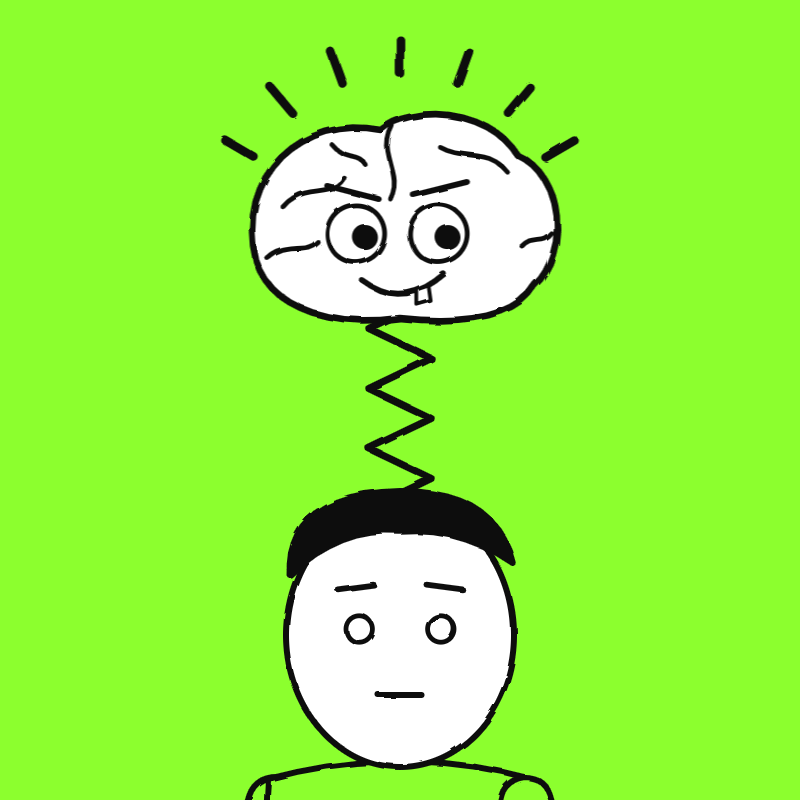
She hasn't texted back in two days. Then she likes his post, and Brian decides she is definitely into him. One like counts as proof; two days of silence don't count at all.
The study
In 1979, Stanford researchers Charles Lord, Lee Ross and Mark Lepper showed supporters and opponents of the death penalty two made-up studies, one for and one against. Both sides read the same two studies. Each side rated the study that agreed with it as stronger, and both came out more sure they were right.
Before you decide, look for one good reason you might be wrong.
And with AI?
Soon AI will choose more and more of what we read. If it learns what we like to hear, who will show us when we are wrong? Are we prepared for a full AI life? Tell us in the comments on YouTube, Instagram or TikTok.
Source: Lord, C. G., Ross, L., & Lepper, M. R. (1979). Biased assimilation and attitude polarization. Journal of Personality and Social Psychology, 37(11), 2098-2109. Read the study (APA) · Full text (PDF)